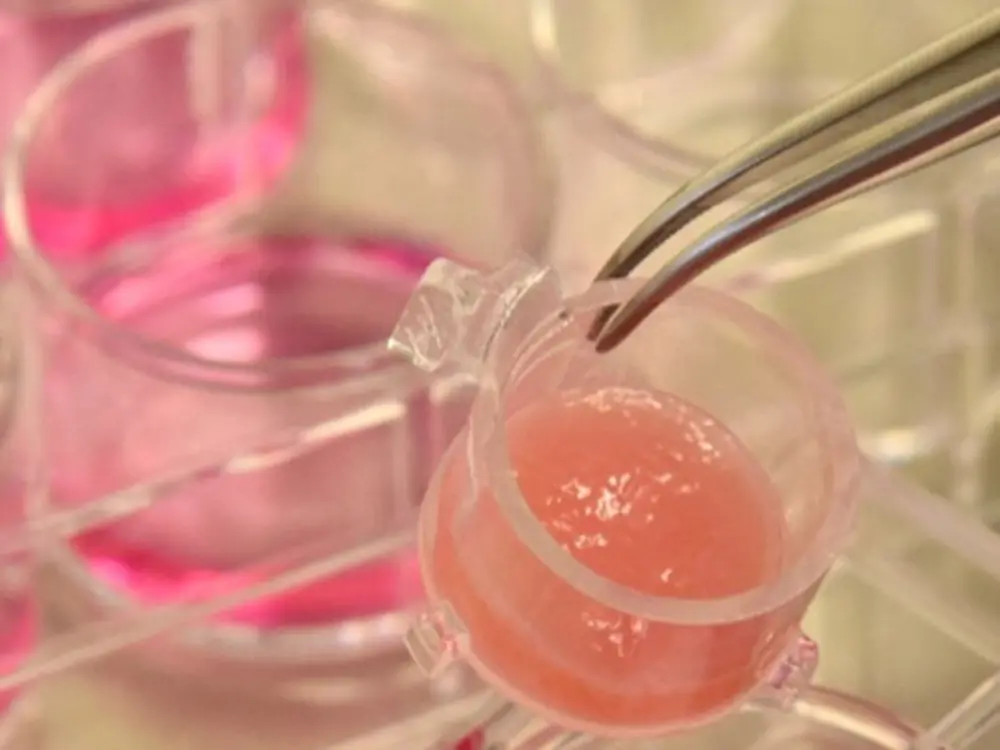
A recent study by Page et al., published in Toxicology in Vitro (2024), demonstrates the superior performance of the Phenion® Full-Thickness (FT) Skin Model in overcoming limitations of the standard in vitro skin irritation test (OECD TG 439) when applied to antimicrobial cleaning products (ACPs).
Sep 17, 2024
New study demonstrates suitability of the Phenion® FT Skin Models for in vitro skin irritation testing of antimicrobial cleaning products
Previous tests using epidermal-only models often overpredicted the skin irritation potential, achieving just 60% accuracy compared to the Draize test (OECD TG 404). To address this limitation, the researchers adapted the TG 439 protocol and tested 24 ACP formulations using the more complex, in vivo-like Phenion® FT Skin Model.
The study identified a 70% tissue viability threshold as the optimal predictor for distinguishing between non-irritant (GHS No Cat./EPA Cat. IV) and irritant formulations (GHS Cat. 2/EPA Cat. III/II). Importantly, 8 out of 9 GHS Category 2 formulations were classified in line with in vivo data, making the system “highly protective for severe irritants.” For manufacturers, this means increased clarity, accelerated decision‑making, and a more ethically responsible testing pipeline—while maintaining scientific rigor and consumer safety.
This work establishes Phenion® FT Skin Models as a powerful tool for expanding the applicability of OECD TG 439 to chemical classes and mixtures that are difficult to assess with pure epidermal models. It’s a significant step toward more accurate, animal-free testing for complex formulations.
Phenion®—where scientific precision meets responsible innovation.
Page et al.: Assessment of the utility of the novel Phenion® full thickness human skin model for detecting the skin irritation potential of antimicrobial cleaning products.
Toxicol In Vitro. 2024 94:105726. doi: 10.1016/j.tiv.2023.105726.