
A recent study by Schwab et al., published in Chemico-Biological Interactions (2026), demonstrates the suitability of the Phenion® Full-Thickness (FT) Skin Model for investigating the dermal penetration and decontamination of VX, a highly toxic and persistent nerve agent. Rapid removal or inactivation of VX on the skin is critical because dermal absorption can lead to severe systemic poisoning.
Aug 5, 2026
Phenion® FT Skin Models Advance Research on Effective VX Decontamination
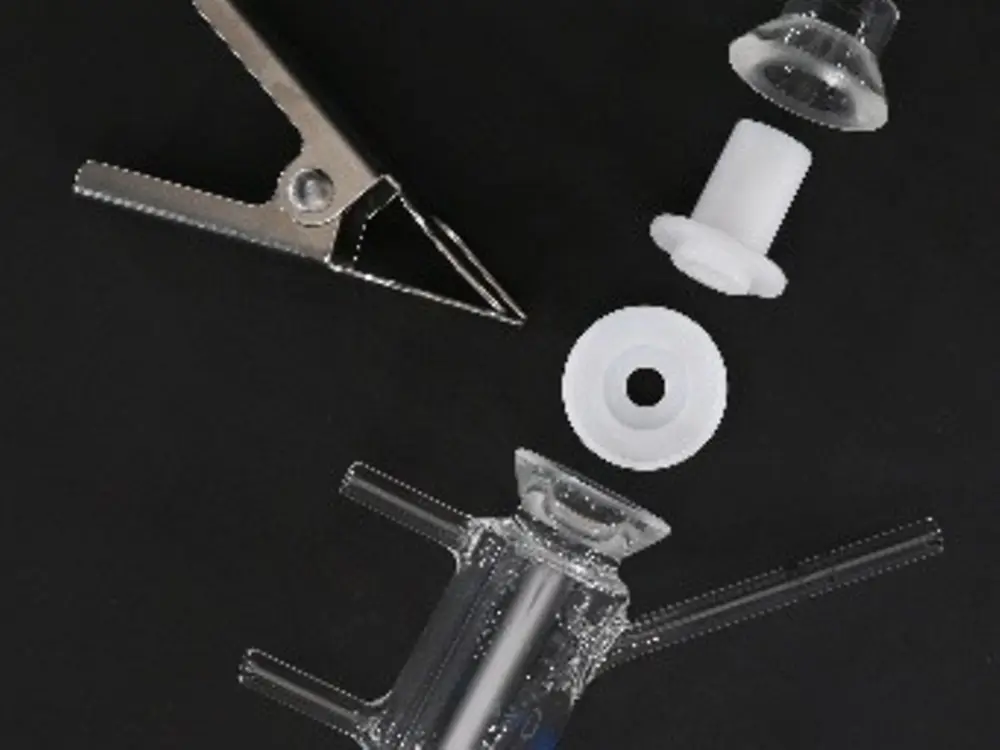
The researchers integrated viable Phenion® FT Skin Models into Franz diffusion cells and monitored VX penetration over five hours. Four decontamination approaches were evaluated at different time points after exposure: Reactive Skin Decontamination Lotion (RSDL), potassium acetohydroxamate (AHAK), 2% sodium hypochlorite, and tap water. VX reaching the receptor compartment was quantified using a sensitive acetylcholinesterase inhibition assay.
Both lipophilic decontamination formulations proved highly effective when applied five minutes after exposure. AHAK reduced the amount of penetrated VX by 99.97%, while RSDL achieved a reduction of 96.57%. AHAK also showed promising protective effects when applied before exposure. In comparison, 2% sodium hypochlorite and tap water were less effective, particularly when decontamination was delayed. The model additionally revealed substantial tissue damage caused by 10% sodium hypochlorite, demonstrating its ability to assess both decontamination efficacy and adverse effects on living skin tissue.
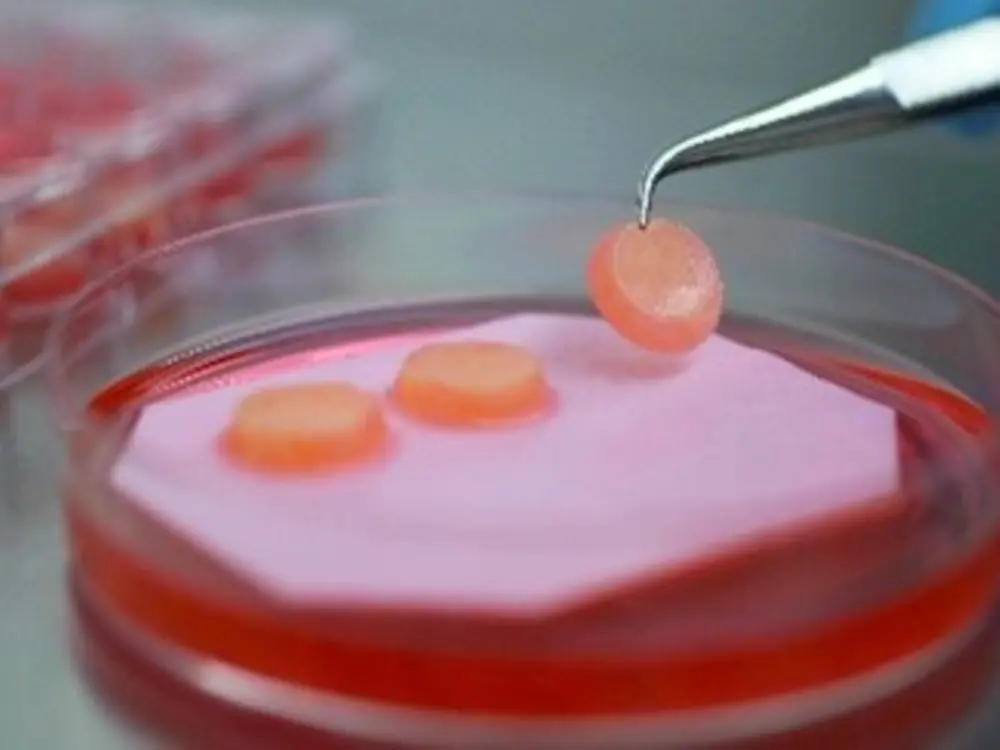
With its differentiated epidermis, dermal compartment, and functional stratum corneum, the Phenion® FT Skin Model provides a viable and reproducible alternative to animal skin and frozen human tissue. The study shows how physiologically relevant 3D human skin models can support the development and comparative assessment of decontamination strategies under controlled experimental conditions.
Phenion® FT Skin Models: Bringing human relevance to advanced dermal safety research.
Reference:
Schwab A., Steinritz D., Worek F., Amend N. A three-dimensional, bioartificial human skin equivalent as an innovative technology for studying the decontamination of the nerve agent VX. Chemico-Biological Interactions. 2026;432:112028.
https://doi.org/10.1016/j.cbi.2026.112028